


Mexican tea is a medicinal plant traditionally used to treat intestinal worms, relieve indigestion, and help strengthen the immune system. It is scientifically known as Chenopodium ambrosioides (also called Dysphania ambrosioides) and grows as a small bush with long green leaves and small white flowers.
Mexican tea has been studied for effects against intestinal worms, inflammation, infections, and high blood pressure, although most research has been done in animals. Some studies suggest its active compound, ascaridole, may act similarly to certain antiparasitic medications.
Mexican tea can be prepared as an infusion using dried leaves, but it may cause side effects if taken in high doses or for prolonged periods. Because of its potential toxicity, especially in essential oil form, its use should be carefully guided by a qualified health professional.
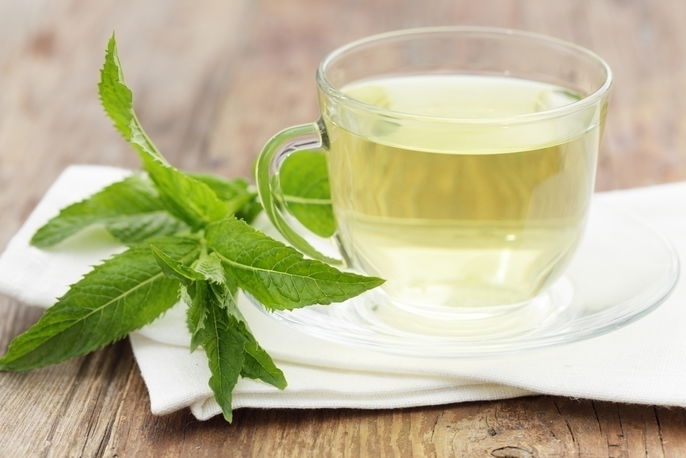
Health benefits
Although this plant is widely used in traditional medicine, few human studies confirm its effectiveness. Animal studies, however, show promising benefits, such as:
1. Eliminating intestinal worms
Mexican tea is most commonly used to treat intestinal worms. Human studies indicate it has a strong effect against parasites like pinworms and tapeworms.
This effect is linked to the plant’s main active compound, ascaridole, which acts like anthelmintic medications such as albendazole to expel intestinal worms.
Standard treatment for pinworms relies on antiparasitic medicines such as albendazole, mebendazole, or pyrantel pamoate, according to the Centers for Disease Control and Prevention (CDC).
2. Strengthening the immune system
Animal studies show that Mexican tea extract can regulate key immune cells, such as macrophages and lymphocytes, helping to strengthen the immune system.
A blend of Mexican tea leaves mixed with milk is a popular folk remedy for treating respiratory conditions like bronchitis and tuberculosis. It’s valued for its natural expectorant effects and ability to help strengthen the immune system.
3. Reducing inflammation
Mexican tea is commonly used to ease inflammation, especially in joints affected by osteoarthritis, and to relieve the related pain. These analgesic effects come from alcohol extracts of the plant, which studies show act on NMDA receptors.
4. Improving indigestion
While no scientific studies confirm Mexican tea’s effect on indigestion, it remains one of its most popular traditional uses. Drinking an infusion after heavy meals may help digestion by stimulating gastric juice production.
5. Lowering blood pressure
In Morocco, Mexican tea is commonly used to treat high blood pressure. Studies in rats suggest this effect may come from its action on muscarinic-2 receptors in the heart, which can slow the heart rate and relax heart muscle.
6. Combating infections
Mexican tea extracts and essential oil show antimicrobial activity that can eliminate various bacteria, viruses, and fungi.
7. Preventing osteoporosis
In rat studies, a hydroalcoholic extract of Mexican tea has been shown to prevent bone loss. This suggests it may help reduce the risk of osteoporosis, especially in women entering menopause.
How to use
The most common way to use Mexican tea is as a tea infusion.
How to Prepare: Add 1 tablespoon of dried Mexican tea leaves to a cup of boiling water. Steep for 10 minutes, strain, and drink ½ to 1 full cup each morning for 3 days.
Another common form of Mexican tea is its essential oil. Because it is highly concentrated and may cause toxic effects, it should only be used under the supervision of a qualified healthcare professional with experience in medicinal plants.
Side effects
Possible side effects of Mexican tea include skin and mucosal irritation, headache, vomiting, nausea, palpitations, liver or kidney damage, vision changes, and seizures. These risks increase with doses higher than recommended or use beyond three days.
Contraindications for use
Mexican tea is contraindicated during pregnancy, breastfeeding, and for children under two years old. As a potentially toxic medicinal plant, consult a qualified herbal specialist to confirm the correct dosage.
Frequently asked questions
Some commonly asked questions about Mexican tea include:
1. Can Mexican tea treat COVID-19?
A 2020 study from the Oswaldo Cruz Institute [1] found that flavonoids in Mexican tea may inhibit replication of the novel coronavirus (SARS-CoV-2), potentially speeding recovery.
However, this research used computational modeling, not lab tests on live organisms, so the required dosage remains unknown. No health organizations endorse Mexican tea as an official COVID-19 treatment.
Currently, data are insufficient to recommend any herb or dietary supplement to prevent or treat COVID-19, according to the National Institutes of Health (NIH) Office of Dietary Supplements.
2. Can Mexican tea cause an abortion?
High doses of Mexican tea may alter muscle contractions in the body. While no studies confirm this, it could potentially cause miscarriage. For this reason, pregnant people should avoid it.
