


Macadamia nuts are nutrient-dense foods that provide healthy fats, fiber, protein, and essential vitamins like A, E, and B-complex. They also contain minerals such as magnesium, potassium, and calcium that support overall health.
Macadamia nuts are linked to benefits like improved heart health, better digestion, and support for weight management due to their healthy fat and fiber content. Their antioxidant compounds may also help reduce inflammation and protect cells from damage.
Although macadamia nuts offer many health benefits, they are high in calories and should be eaten in moderation. Including them in a balanced diet can help support long-term health while reducing the risk of conditions like diabetes and cardiovascular disease.
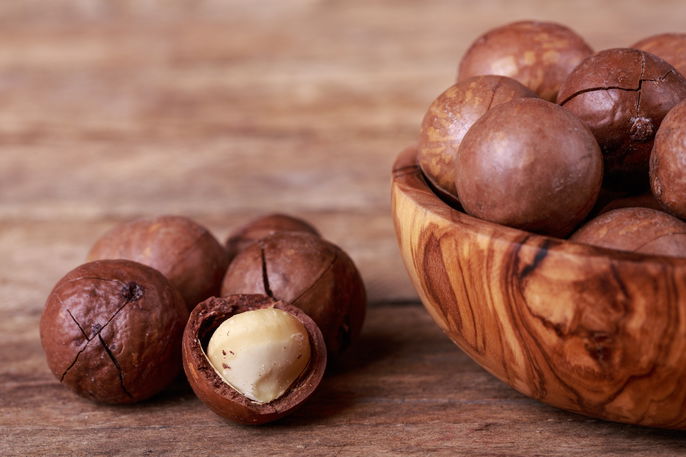
Health benefits
The main benefits of macadamia nuts are:
1. Promoting weight loss
Despite being high in calories, macadamia nuts are rich in healthy monounsaturated fats, including palmitoleic acid (omega‑7). These fats help support the production of enzymes involved in burning fat, boosting metabolism, and reducing fat storage.
Macadamia nuts are also high in fiber and protein, which help reduce hunger and increase feelings of fullness. In addition, they contain phytosterols, such as campestanol and avenasterol, which can reduce fat absorption in the intestine and may support weight loss.
Also recommended: 14 Healthy Foods That Help You Lose Weight tuasaude.com/en/foods-to-lose-weight2. Preventing cardiovascular disease
The monounsaturated fats in macadamia nuts can help improve fat metabolism and absorption, which may lower LDL cholesterol and triglyceride levels.
According to the American Heart Association, replacing saturated fats with monounsaturated and polyunsaturated fats can help reduce “bad” cholesterol and may lower the risk of heart disease and stroke.
Macadamia nuts are also rich in flavonoids and tocotrienols, which have antioxidant effects. These compounds can help decrease the production of inflammatory substances, such as leukotriene B4, that are linked to a higher risk of heart disease.
3. Helping to lower cholesterol
The palmitoleic acid in macadamia nuts helps lower LDL cholesterol and triglycerides, which contribute to fatty plaque buildup in the arteries. These plaques narrow and stiffen the arteries, causing atherosclerosis that can lead to heart attack, heart failure, or stroke.
In addition, tocotrienols, a form of vitamin E found in macadamia nuts, act as antioxidants and help reduce cell damage caused by oxidative stress. They also help lower blood cholesterol levels.
4. Preventing diabetes
Some studies suggest that macadamia nuts may help protect against metabolic syndrome and sharp rises in blood sugar, which over time can increase the risk of developing type 2 diabetes.
5. Improving bowel function
Macadamia nuts contain soluble fiber, which can support digestion and help regulate bowel movements.
The soluble fiber in these nuts also has a natural prebiotic effect, helping to reduce intestinal inflammation and potentially lower the risk of conditions such as irritable bowel syndrome (IBS), ulcerative colitis, and Crohn’s disease.
6. Preventing cancer
Some studies suggest that the flavonoids and tocotrienols in macadamia nuts have antioxidant and anti‑inflammatory effects, which may help reduce cellular damage and potentially play a role in cancer prevention or treatment. However, more studies in humans are still needed to confirm these benefits.
7. Delaying aging
Macadamia nuts contain antioxidants such as vitamin E, which help prevent the formation of free radicals that damage cells and contribute to skin aging.
They are also rich in vitamin A, which helps repair skin damage and keeps the skin and mucous membranes healthy.
8. Improving brain function
Tocotrienols in macadamia nuts have antioxidant effects that may help protect brain cells and could play a role in preventing diseases such as Alzheimer’s and Parkinson’s, but more human studies are needed to confirm these benefits.
9. Improving bone health
Macadamia nuts provide nutrients such as calcium, phosphorus, and magnesium, which help form and maintain bone tissue. Because of this, they may help support bone health and play a role in preventing osteoporosis.
Nutrition facts
The following table provides nutritional information for a 100 g serving of macadamia nuts:
To get the full health benefits of macadamia nuts, they should be eaten as part of a balanced, healthy diet and an active lifestyle.
Cooking tips
Macadamia nuts can be enjoyed raw, roasted, or ground into nut butter. They can also be added to salads, yogurt, smoothies, or baked goods, and crushed macadamias work well as a gluten-free coating for chicken or fish.
Roasting macadamia nuts at a moderate temperature, about 300 to 320 °F (150 to 160 °C) for 20 to 25 minutes, helps preserve their flavor and nutrients. Higher temperatures may reduce protein content and make them more likely to go rancid. They can also be roasted in a skillet, air fryer, or on the grill.
For best quality, store macadamias in airtight glass jars in a cool place to slow oxidation and keep them fresher for longer.
Healthy recipes
The following macadamia nut recipes are quick, nutritious, and easy to prepare:
1. Macadamia nut butter
Place 500 grams (around 1.1 lb) of raw macadamia nuts in a food processor and grind them. Stop occasionally to scrape down the sides and stir the mixture from the bottom.
Continue processing until it becomes smooth and uniform, then transfer to a glass container and refrigerate.
2. Iced coffee with macadamia nuts
Ingredients
- 300 mL (1¼ cups) of cold coffee
- 1 square of semi-sweet chocolate
- 4 to 6 tablespoons of macadamia nut syrup
- 200 mL (about ¾ cup plus 1 tablespoon) of milk
- Macadamias and chopped walnuts for decoration
- Sugar or sweetener to taste
Directions
Place the coffee, semi-sweet chocolate, milk, and macadamia syrup in a blender and blend until smooth. Pour into a glass, then top with chopped macadamia nuts and walnuts.
3. Roasted macadamia nuts
Ingredients
- Macadamia nuts
- Melted butter
- Water
- Salt to taste.
Directions
Crack the macadamia nuts with a nutcracker and place them on a baking tray. In a bowl, mix the water, melted butter, and salt, then drizzle this mixture over the nuts. Preheat the oven to 250 ºF (120 ºC), then bake the macadamias for 15 minutes.
Risks and contraindications
Macadamia nuts can cause allergic reactions that range from mild mouth itching to severe anaphylaxis. People allergic to other tree nuts, like hazelnuts, cashews, or walnuts, are more likely to also react to macadamias.
Children under five should not eat whole macadamia nuts because of the risk of choking. According to the CDC, whole or chopped nuts and seeds are potential choking hazards for young children, although nut butters or flours may be safer when prepared in an age-appropriate way.
People who are pregnant or breastfeeding can eat macadamia nuts if they are not allergic, since avoiding nuts has not been shown to prevent allergies in children.
People with kidney stones should check with a dietitian before eating macadamias, since dietary recommendations vary depending on the type of stone. Macadamia nuts are high in calories, but studies suggest that moderate intake does not usually cause weight gain.
Those taking blood thinners such as warfarin should talk with their doctor, because the vitamin E and vitamin K in macadamias may affect blood clotting. Very rarely, macadamia nuts can be contaminated with bacteria like Listeria, so proper roasting and storage in airtight containers help reduce this risk.
