


- Anti-dandruff shampoos with ingredients like ketoconazole, selenium sulfide, or salicylic acid can help control flaking and itching.
- Washing with lukewarm water, avoiding irritating hair products, and managing stress may help reduce dandruff flare-ups.
- Persistent, severe, or inflamed dandruff may require prescription treatment and evaluation by a dermatologist.
How to get rid of dandruff usually involves using an anti-dandruff shampoo that helps reduce flaking, itching, excess oil, and yeast on the scalp. Shampoos containing ketoconazole, selenium sulfide, zinc pyrithione, salicylic acid, or other medicated ingredients may be recommended depending on the severity of symptoms.
Other ways to get rid of dandruff include washing the scalp with lukewarm water, avoiding irritating hair products, and managing triggers. Some home remedies, such as diluted tea tree oil, may also help, although evidence is limited.
Persistent or severe dandruff may require prescription treatments, including antifungal or anti-inflammatory medications applied to the scalp. A dermatologist should evaluate dandruff that causes significant redness or inflammation, becomes difficult to control, or does not improve with anti-dandruff shampoo.
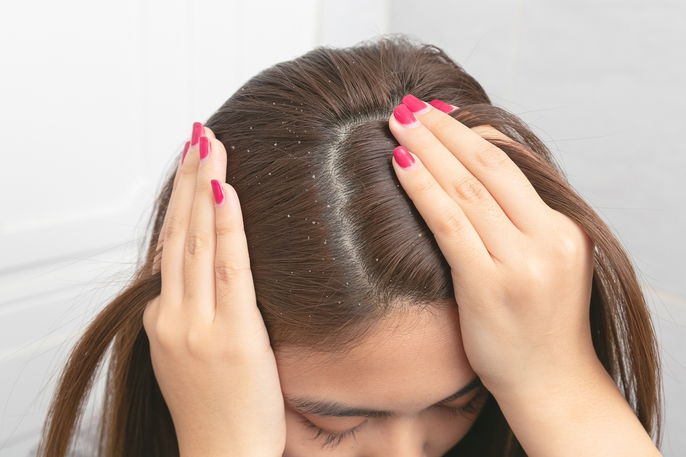
Main treatments
How to get rid of dandruff may include treatments such as:
1. Dandruff shampoo
Dandruff-related itching and flaking can often be controlled with dandruff shampoo. For mild dandruff, a gentle shampoo may be enough to remove excess oil and dead skin cells from the scalp.
If symptoms do not improve, a medicated dandruff shampoo may be needed. According to the FDA, common OTC active ingredients used to treat dandruff include:
- Zinc pyrithione: Has antifungal properties and helps reduce yeast and flaking on the scalp.
- Coal tar: Slows the buildup and shedding of skin cells, which can help reduce flakes.
- Salicylic acid: Helps loosen and remove scales from the scalp.
- Selenium sulfide: Helps reduce yeast, flaking, and the buildup of dead skin cells.
Ketoconazole is another antifungal ingredient available in dandruff shampoos and helps control yeast associated with dandruff.
These shampoos are often used several times per week at first, then less often once symptoms improve. Always follow the directions on the product label, as some shampoos need to remain on the scalp for several minutes before rinsing.
2. Medications
If OTC dandruff shampoos are not effective, a dermatologist may prescribe stronger treatment. Options may include prescription antifungal shampoos, such as ketoconazole or ciclopirox, or topical corticosteroids to reduce itching, redness, and inflammation.
In selected cases, other medications may be used off-label. Spironolactone, for example, can reduce oil production and may be considered when excess scalp oil contributes to symptoms.
3. Home remedies
Some home remedies for dandruff may help reduce symptoms, although evidence for their effectiveness is limited. Options such as tea tree oil, rosemary oil, eucalyptus oil, and peppermint oil have antifungal or anti-inflammatory properties and should be diluted before applying them to the scalp.
Coconut oil may help moisturize a dry or irritated scalp, while rosewater may have mild soothing and astringent effects. Herbal shampoos containing ingredients such as rosemary or eucalyptus may also be used, but they should not replace medicated dandruff treatments when symptoms are moderate, severe, or persistent.
4. Hair care and lifestyle habits
Some hair care and lifestyle habits may help reduce dandruff and prevent flare-ups. These include:
- Washing the hair with lukewarm rather than very hot water
- Avoiding products that irritate the scalp
- Managing stress, which may worsen dandruff in some people
- Avoiding scratching the scalp, as this can cause irritation or small cuts
- Gently massaging the scalp instead of scratching
- Avoiding sleeping with wet or damp hair
According to the American Academy of Dermatology, how often the hair should be washed depends on hair type and scalp oiliness. People with oily scalps or straight hair may need to wash more frequently, while those with curly or coily hair may wash as needed. Dandruff shampoo should also be used according to the product directions.
A balanced diet with fruits, vegetables, and foods high in zinc can support overall scalp health. However, specific foods have not been clearly shown to cause or prevent dandruff.
