


Damiana is a medicinal plant from the Turnera diffusa species. It is mainly used as a sexual stimulant, but it may also help improve digestion and relieve symptoms related to the menstrual cycle.
The parts of damiana most often used are the leaves or roots. These parts contain compounds with medicinal properties and can be used to prepare tea, capsules, or tinctures.
Damiana, also known as chanana, albina, or damiana herb, can be found in some compounding pharmacies and health food stores. It should only be used with guidance from a doctor or herbalist, as more studies are needed to confirm safe and effective doses.
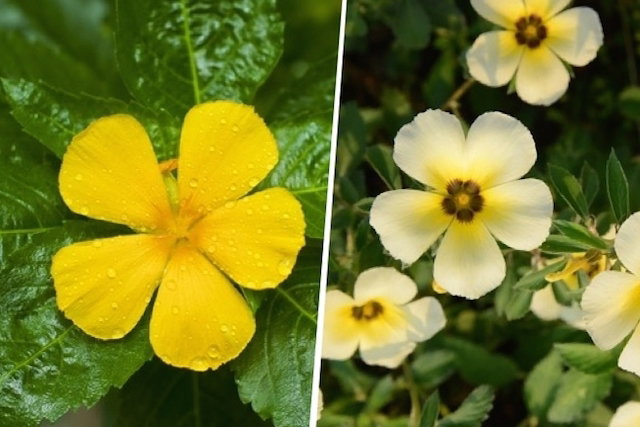
Health benefits
Damiana has several possible health benefits and may be used for:
1. Bronchitis
Damiana may help with bronchitis because it has an expectorant effect, which can help relieve coughing.
2. Digestive problems
Damiana may help with digestive problems, as it can support digestion and help prevent constipation.
3. Rheumatism
Damiana has anti-inflammatory and antioxidant effects that may help reduce symptoms of rheumatism, such as joint pain, stiffness, redness, warmth, or swelling.
4. Increasing sexual desire
Damiana has stimulant, tonic, and aphrodisiac properties. For this reason, it is considered a powerful sexual stimulant and may be used to help increase sexual desire.
5. Improving erectile dysfunction
Due to its tonic, aphrodisiac, and stimulant properties, damiana may help improve mild erectile dysfunction in men by supporting overall well-being and sexual desire.
6. Relieving menopause symptoms
Damiana may help relieve menopause symptoms, such as vaginal dryness, because it may have effects similar to female hormones.
In addition, damiana may help with anxiety or depression that can occur during menopause, improving mood and energy levels.
7. Managing premature ejaculation
Damiana may help manage premature ejaculation because it has anxiolytic and antidepressant properties.
8. Reducing tiredness and fatigue
Damiana has tonic and stimulant properties that may help increase energy and physical and mental performance. This may help reduce tiredness, fatigue, and chronic exhaustion.
9. Fighting urinary tract infections
Damiana may help support the treatment of urinary tract infections or bladder infections because of its diuretic and antimicrobial properties.
However, damiana does not replace antibiotics prescribed by a doctor.
10. Helping with weight loss
Damiana, when combined with guarana and yerba mate, may help with weight loss by improving energy levels and increasing motivation to exercise.
However, it should only be used with medical guidance and as part of a balanced diet recommended by a registered dietitian.
11. Reducing anxiety and depression
Damiana has anxiolytic and antidepressant properties that may help reduce anxiety and depression, complementing the treatment recommended by a doctor.
12. Controlling blood sugar levels
Damiana may have a hypoglycemic effect, which means it may help prevent blood sugar levels from becoming too high. Because of this, it may be used to complement diabetes treatment.
However, studies have shown conflicting results, and more research is needed to confirm this benefit.
Properties of damiana
Damiana has aphrodisiac, antibacterial, astringent, emollient, expectorant, anti-inflammatory, antioxidant, tonic, purgative, antidepressant, and stimulant properties. These effects are due to compounds found in its composition, such as damianin, arbutin, pinocembrin, acacetin, apigenin, 7-glucoside, and Z-echinacin.
How to use
Damiana is usually consumed as a tea made with the leaves of this plant. However, it is also available as a supplement in capsule or tincture form.
1. Damiana tea
Damiana tea should be prepared with the dried leaves of this medicinal plant.
Ingredients
-
2 to 4 g of dried damiana leaves;
-
1 cup of water.
Preparation
Boil the water, turn off the heat, and pour the water into a cup containing the dried damiana leaves. Cover and let it steep for about 10 minutes. Then strain, allow it to cool until warm, and drink no more than 2 cups per day.
2. Capsules
The dose of damiana capsules can vary depending on the concentration of each supplement.
However, the recommended amount may be 500 mg, twice a day, taken with a glass of water, as directed by a doctor or herbalist.
3. Tincture
The recommended dose of damiana tincture is 2 to 3 mL, or 40 to 60 drops, three times a day, diluted in a glass of water. This dose may vary depending on the tincture, so it is recommended to read the product label.
Possible side effects
The side effects of damiana are usually related to excessive consumption of this plant. Overuse may cause liver and kidney problems, as well as laxative and diuretic effects.
Using large amounts of this medicinal plant may also cause insomnia, headache, nausea, vomiting, or seizures, for example.
When it is not recommended
Damiana should not be used by children, pregnant women, or women who are breastfeeding.
In addition, this medicinal plant should not be used by people who are allergic to damiana.
Because damiana tincture contains alcohol, it is contraindicated for people being treated for alcohol use disorder or people who take disulfiram.