


Period symptoms can begin a few days before menstruation and often include breast tenderness, mood changes, bloating, and headaches. These symptoms are caused by hormonal changes that occur during the menstrual cycle.
Period symptoms are also known as premenstrual syndrome (PMS) and are common during the reproductive years, usually stopping around menopause between ages 40 and 50. In addition to physical symptoms, emotional changes like irritability, anxiety, and fatigue may also occur.
Period symptoms can often be relieved with anti-inflammatory or pain-relief medications, as well as lifestyle changes like exercise, stress management, and a balanced diet. Tracking symptoms and cycle patterns can also help predict when a period will start and manage discomfort more effectively.
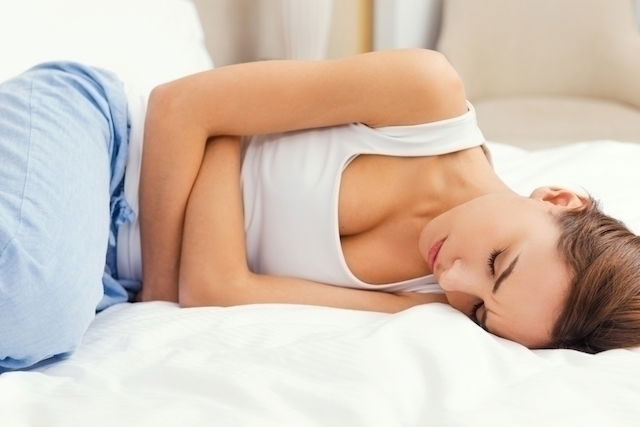
Signs your period is about to start
To know when your period is about to start, it is important to be aware of certain signs and symptoms.
According to the Office on Women’s Health, PMS symptoms can begin 1 to 2 weeks before a period and are linked to hormonal changes during the menstrual cycle. These occur in most women and may include:
- Abdominal bloating
- Fluid retention
- Headache or migraine
- Sudden changes in mood
- Irritability
- Fatigue
- Feeling unwell
- Anxiety
- Mood swings
- Swollen and painful breasts
- Acne breakouts
- Increased appetite
Period symptoms are usually caused by hormonal changes and can be relieved with medications such as ibuprofen (Advil) or acetaminophen (Tylenol). Stress-reducing activities, such as exercise, walking outdoors, or meditation, can also help ease symptoms.
First period symptoms
Menarche, or the first period, usually occurs around age 12. It is often preceded or accompanied by physical changes caused by hormonal shifts, such as the growth of pubic and underarm hair, widening of the hips, acne, and occasional abdominal pain.
Period tracker
In addition to tracking symptoms, calculating your cycle can help predict when your next period is due. This can be done by entering the date of your last period and how long your period usually lasts below:
This calculator is for reference only and may be less accurate if your cycles are irregular.
What helps with period cramps?
Period symptoms can be relieved with anti-inflammatory medications or pain relievers, which can help reduce menstrual cramps, back pain, and headaches. Exercising, eating more fiber, and drinking plenty of fluids throughout the day can also help ease symptoms.
Check out other ways to relieve period cramps and when you should see a doctor.
Why is my period late?
A late period is not always a sign of pregnancy. According to the NHS, missed or late periods can also be linked to stress, sudden weight changes, excessive exercise, hormonal contraception, menopause, or conditions such as polycystic ovary syndrome (PCOS).
If your period is delayed, seeing a gynecologist or women’s health provider is important to identify the cause and receive appropriate care if needed.
