


Almonds are good for you because they are rich in fiber, protein, and healthy fats that help support normal blood sugar levels and overall health. These nutrients may also help reduce the risk of conditions like diabetes and heart disease.
Almonds contain antioxidants like vitamin E, flavonoids, and tannins, which help protect cells from damage caused by free radicals. This antioxidant effect may help lower the risk of chronic conditions such as heart disease, stroke, and some types of cancer.
Almonds are a versatile and nutrient-rich food that easily fits into a balanced diet. They can be enjoyed on their own or used to make almond milk, almond butter, and almond flour. Regular consumption supports bone health, digestion, muscle growth, and healthy weight management.
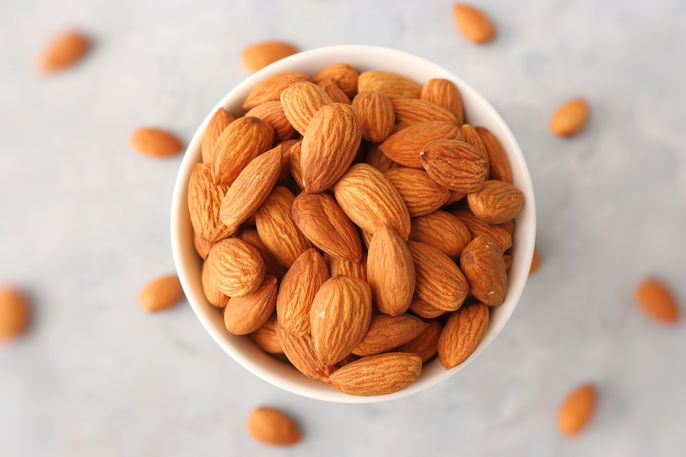
Health benefits
The main benefits of eating almonds are:
1. Treating and preventing osteoporosis
Almonds contain phosphorus and calcium, essential minerals that help strengthen bones and maintain their density. This makes them beneficial for both preventing and managing osteoporosis.
They also contain magnesium, another key mineral for bone health, which may help reduce the risk of fractures, osteopenia, and osteoporosis.
2. Preventing cancer
Almonds are rich in flavonoids, vitamin E, and tannins, compounds with strong antioxidant properties that help neutralize excess free radicals. Since free radicals contribute to the damage of healthy cells, eating almonds regularly may help reduce the risk of certain types of cancer.
3. Helping build muscle
Almonds are high in protein, making them an excellent choice for supporting muscle growth, particularly for individuals following a vegetarian or vegan diet. Check out other high protein foods that you can incorporate into your diet.
4. Lowering LDL cholesterol
Almonds are a good source of omega-3, omega-6, and omega-9 fatty acids, healthy fats known for their anti-inflammatory effects.
According to the American Heart Association, replacing saturated fats with unsaturated fats like those found in almonds can help lower LDL (“bad”) cholesterol and reduce the risk of cardiovascular disease.
Almonds also provide powerful antioxidants that prevent fat cell oxidation, supporting normal cholesterol and triglyceride levels.
5. Preventing neurological diseases
Almonds are rich in vitamin E and flavonoids, which provide antioxidant and anti-inflammatory benefits that protect the cells of the central nervous system from oxidative stress and inflammation. Regular consumption may help lower the risk of neurological conditions such as Alzheimer’s disease and dementia.
6. Managing and preventing diabetes
Almonds are high in fiber, which helps slow sugar absorption and maintain stable blood sugar levels. They’re also rich in antioxidants such as flavonoids and tannins, which may support the healthy function of pancreatic cells responsible for insulin production.
7. Relieving constipation
The fiber in almonds helps add bulk to the stool and promotes regular bowel movements. Almonds also contain magnesium, an essential mineral that supports bowel activity and makes it easier to have a bowel movement.
8. Managing high blood pressure
Almonds are rich in magnesium, a mineral that helps relax and dilate blood vessels, improving circulation and potentially lowering high blood pressure.
According to the World Health Organization (WHO), increasing potassium intake and reducing sodium intake can help regulate blood pressure and lower the risk of heart disease and stroke.
They’re also a good source of potassium, which supports this effect by helping maintain healthy blood pressure levels.
9. Promoting weight loss
Almonds are a low glycemic index food that provide good amounts of protein and fiber. These nutrients can support healthy weight loss by helping you stay full longer, curbing hunger, and preventing overeating throughout the day.
10. Preventing muscle cramps
Almonds are rich in potassium and calcium, nutrients that help relax and soothe irritated muscles. This makes them especially beneficial for people who experience cramps after exercise.
Nutrition facts
The following table shows nutritional information for 100 g and 30 g of raw almonds with the skin:
To get the most out of these health benefits, it’s important to maintain a balanced diet and stay physically active.
How to eat
Almonds can be eaten fresh, but choosing unpeeled almonds is recommended since they contain more antioxidants.
This nutrient-rich nut can be enjoyed on its own or added to yogurt, salads, rice, or fruit bowls. The ideal daily amount is about 30 grams, or roughly 25 almonds.
Almonds can also be used to make almond milk, butter, and flour, making them excellent additions to vegetarian or lactose-free diets.
Healthy recipes
Almonds can be eaten whole, slivered, or chopped and added to recipes such as salads, nut butter, or cakes.
1. Almond butter
Ingredients:
- 400 g (2 ½ cups) raw almonds with the skin
- ½ teaspoon salt
Directions:
Add the almonds and salt to a food processor and blend on high until the mixture turns into a fine flour. Stop to scrape down the sides with a spatula, then continue blending for about 30 to 60 seconds at a time until a smooth, creamy paste forms. Transfer to a sealed jar and store in the refrigerator for up to 5 days.
2. Salad with almonds
Ingredients:
- 2 tablespoons raw almonds with skin, chopped
- 5 lettuce leaves, chopped
- ½ cup arugula (rocket)
- 1 medium tomato, diced
- 2 tablespoons white cheese (such as ricotta or mozzarella), cubed
- Black pepper to taste
Directions:
Wash the lettuce, arugula, and tomato thoroughly. Add the chopped lettuce and arugula to a large bowl, then mix in the diced tomato.
Add the chopped almonds and cubed cheese. Season with black pepper, toss gently to combine, and serve.
3. Cake with almond flour and lemon
Ingredients:
- 4 eggs
- ¾ cup fresh lemon juice
- ¼ cup coconut oil
- ½ cup brown sugar
- 1 cup almond flour
- ½ teaspoon ground cinnamon
- ½ teaspoon ground nutmeg
- 1 teaspoon baking powder
Directions:
Preheat the oven to 350°F (180°F). In a blender or with a mixer, combine the eggs, almond flour, coconut oil, lemon juice, cinnamon, and nutmeg until smooth.
Transfer the mixture to a bowl, add the brown sugar, and mix well with a spoon or spatula. Add the baking powder and gently stir until fully incorporated.
Pour the batter into a greased baking pan or silicone mold and bake for about 40 minutes, or until the cake is golden brown. Let it cool before serving.
